Why Puppet Carving Matters
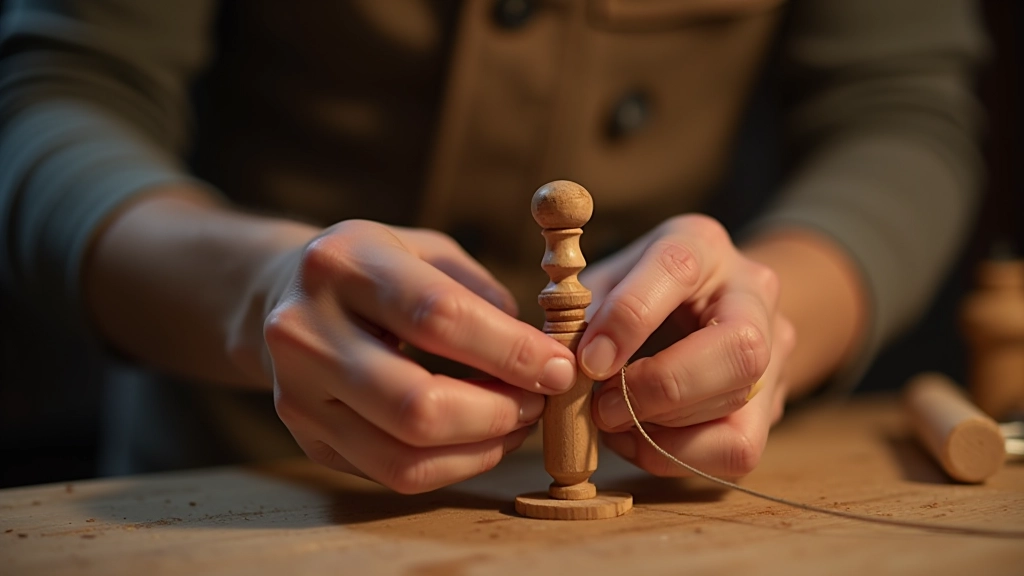
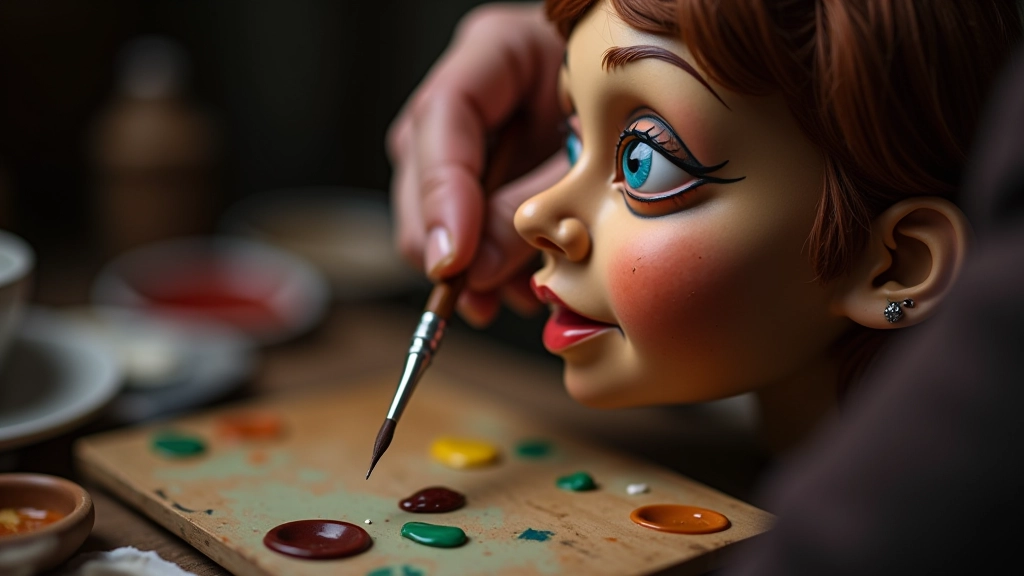
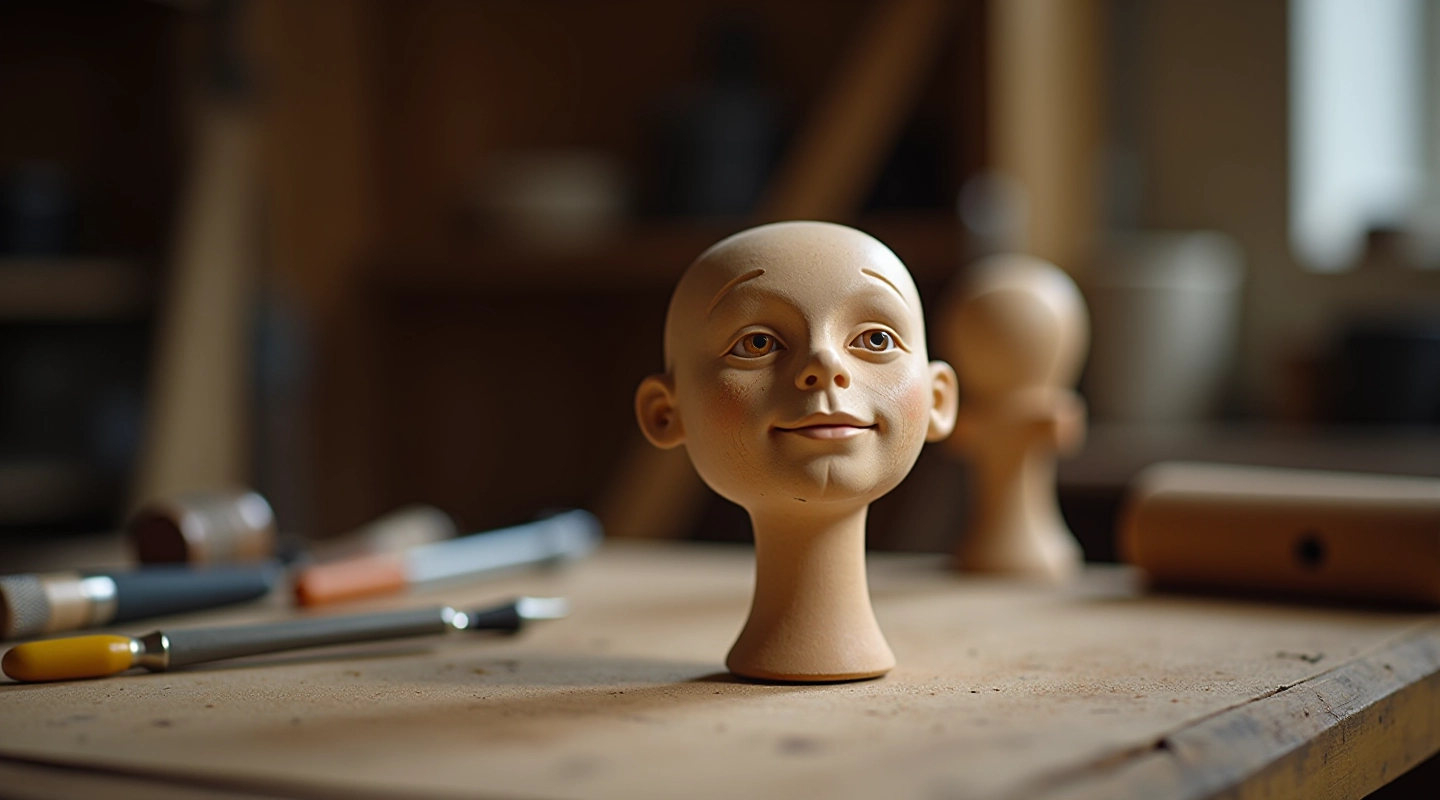
Carving is where puppet making begins. You're not just shaping wood — you're creating the character's face, the expression that'll communicate emotion to an audience sitting twenty rows back. It's the foundation everything else builds on.
Traditional Czech puppet makers developed their techniques over centuries. They understood wood grain, how light plays across a carved cheekbone, where to place eyes for maximum expression. These aren't secrets — they're skills you can learn by understanding the basics and practicing consistently.

Educational Purpose
This guide provides informational content about traditional puppet carving techniques. Individual results and skill development vary based on practice, materials used, and prior experience. Always follow safety guidelines when using carving tools, and consider taking in-person classes with experienced instructors for hands-on guidance.
Essential Tools for Carving
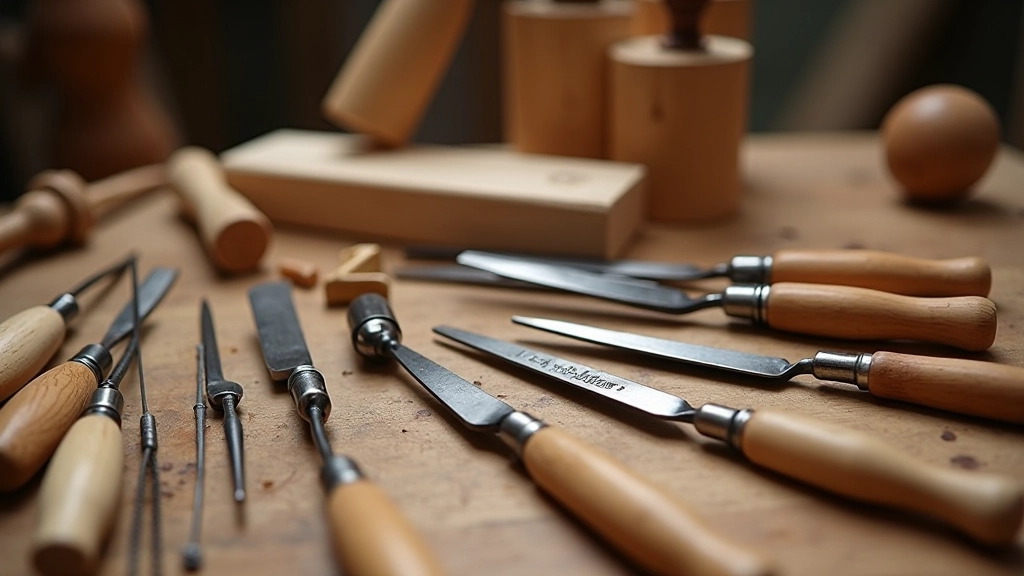
You don't need a massive toolkit to start. In fact, having too many tools can be overwhelming. Focus on quality basics that'll last through years of carving.
Carving Knives
A good chip carving knife and a roughing gouge are your workhorses. Look for handles you can grip comfortably for hours — your hands will thank you.
Detail Gouges
Different curve sizes help you carve eyes, mouths, and facial details. You'll probably use 3-4 different sizes regularly.
Sharpening Stones
Dull tools are dangerous and frustrating. A good sharpening stone or leather strop keeps your carving knives working properly. This matters more than having expensive tools.
Mallets and Strikers
A wooden mallet helps you control power when using gouges. You're not swinging hard — you're making controlled strikes.
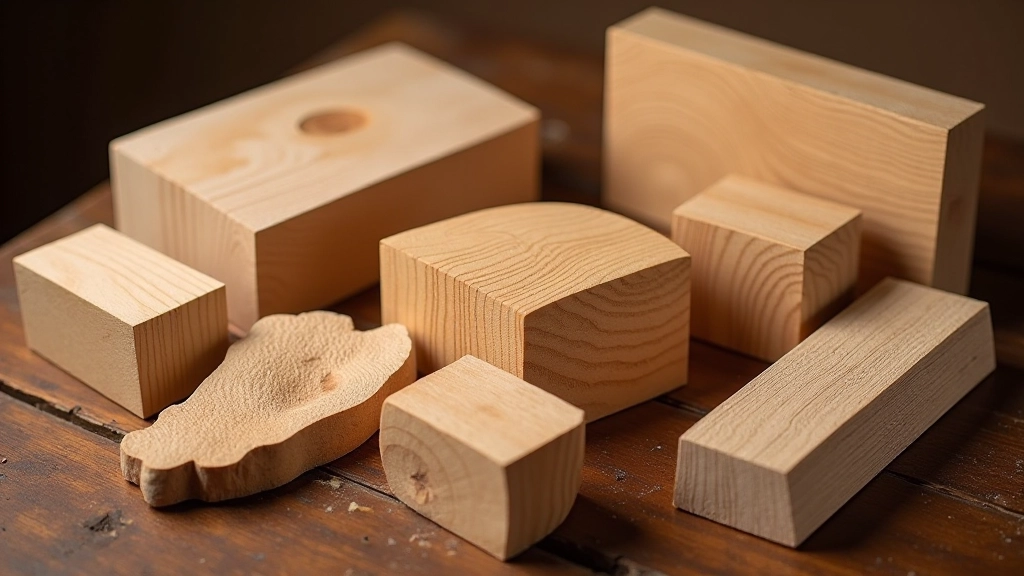
Choosing Your Wood
Wood choice affects everything — how your tools feel, how details come out, how long your puppet lasts. Prague's traditional makers favored lime wood for good reason. It's soft enough to carve without excessive force, yet hard enough to hold fine details.
Lime wood (also called linden) carves beautifully and accepts paint well. It doesn't have wild grain patterns that fight your tools. You'll find it responds predictably whether you're carving an eye socket or refining cheekbones.
Start with a block that's roughly the size of a human head — maybe 15-20 centimeters tall. Don't overthink it. You'll learn more by actually carving than by studying perfect specifications. Get decent wood, get sharp tools, and start removing material.
Fundamental Carving Techniques
Here's what actually matters when you're holding a carving knife: direction, pressure, and repetition. You're not trying to remove huge chunks — you're making thousands of small, controlled cuts.
Always carve away from yourself. Always. Your hand will slip sometimes — better it slips into empty space than into your palm. Wear an apron or old clothes. Wood dust gets everywhere, and you'll probably cut yourself at least once while learning. That's normal.
The two-stage approach works well: First, rough out the general shape with larger gouges. Get the basic head form, eye placement, and nose position established. Then switch to smaller tools for details — eyelids, mouth corners, cheekbone definition. This prevents mistakes at the detail stage.
Expect your first head to take 20-30 hours. Don't rush. The puppet makers in Prague who create heads for professional theaters spend weeks on a single puppet. You're learning, so take your time and enjoy the process.
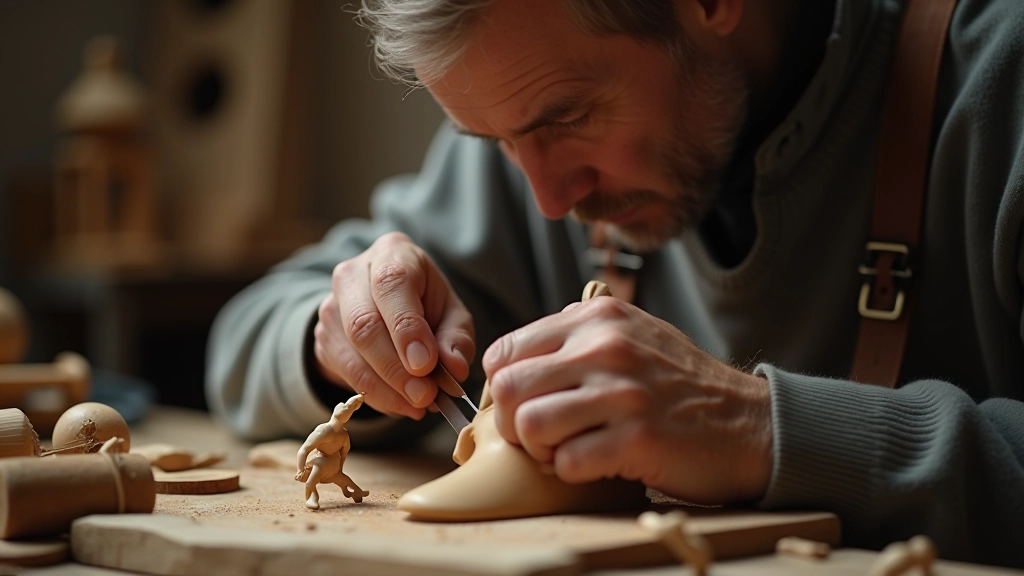
Starting Your Carving Journey
Puppet carving is a learnable skill, not a mysterious art reserved for naturally talented people. You need decent tools, appropriate wood, time, and patience. That's it. Thousands of people have learned to carve expressive puppet heads — you can too.
Start small. Carve a simple head. Make mistakes. Learn from them. Carve another head slightly better. That's how it works. Your tenth head will be dramatically better than your first. Your twentieth head will be something you're genuinely proud of.
The tradition of puppet making in Prague didn't develop because it was easy — it developed because people found it deeply rewarding. You'll understand why once you make your first cut into fresh wood and see the puppet's face begin to emerge.
Ready to Learn More?
Explore our complete guides on stringing joints, painting techniques, and building control bars to complete your puppet.
Explore All Puppet Making Guides